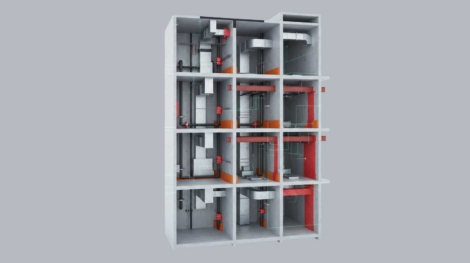
VRF/VRV systems have become one of the most efficient and flexible HVAC solutions for modern buildings, especially where precise temperature control, energy efficiency, and design adaptability are critical. These systems are widely used in commercia ...

Fire-stopping is a critical aspect of modern construction, ensuring that buildings are protected against the rapid spread of fire through walls, floors, and service penetrations. Proper fire-stopping not only safeguards occupants and property but al ...
HVAC Systems: Design, Components, Types, and How Modern BIM Improves Performance
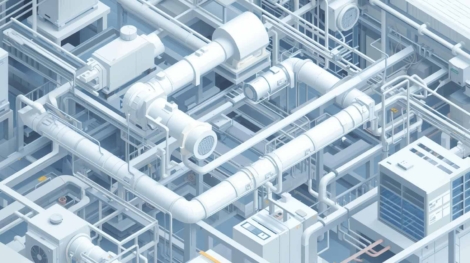
An HVAC System is far more than a combination of heating and cooling equipment; it is a critical infrastructure that directly impacts comfort, indoor air quality, energy efficiency, and long-term operational costs in any building. Whether you are a ...
What Is Reduced Level (RL) and Why It Matters in Modern Construction?
Understanding the concept of reduced level is essential for anyone involved in construction, surveying, engineering, or BIM-based project delivery. In simple terms, reduced level (RL) refers to the height or elevation of a point relative to a predef ...
Structural integrity is one of the most important factors in ensuring that a building or infrastructure remains safe, stable, and long-lasting. Anyone involved in construction, whether an engineer, contractor, or building owner, needs a clear unders ...
What Is GIS? A Complete Guide to Geographic Information Systems
If you’ve ever wondered what GIS is, you are not alone. GIS, or Geographic Information System, is a powerful technology that allows professionals to capture, store, analyze, and visualize geographic data. From urban planning to construction, GIS pla ...
The Key Difference Between Building Plans and a Blueprint Every Builder Should Know
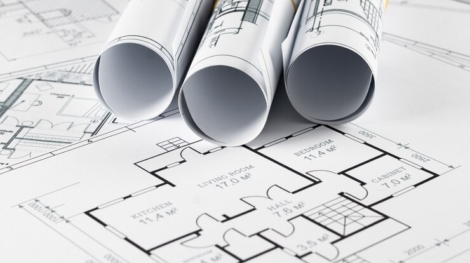
Understanding the difference between building plans and a blueprint is essential for architects, engineers, contractors, and anyone involved in construction projects. While the terms are often used interchangeably in casual conversations, they refer ...
RFI in construction: A complete guide to improving communication and reducing project risks
Clear communication is essential in every construction project. When drawings are unclear, specifications conflict, or site conditions differ from the design, teams rely on the RFI in the construction process to request clarification and move forwar ...
UAVs and drones: How they transform construction, BIM, and project management?
Unmanned Aerial Vehicles (UAVs) and drones have rapidly become essential tools across various industries, providing efficient solutions for data collection, aerial observation, and project monitoring. In this article, we will explore the differences ...
MEP in construction: Advancing project performance through BIM technology
In the construction industry, MEP in construction refers to the integration of three essential systems: Mechanical, Electrical, and Plumbing. These systems are crucial for ensuring the overall functionality, energy efficiency, occupant comfort, and ...
As-built documentation in construction: The benefits of integrating BIM modeling
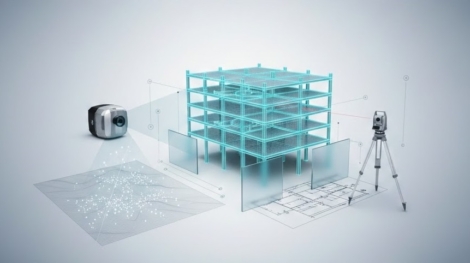
In every construction project, the gap between design and reality is inevitable. This is where as-built documentation becomes crucial. As-built documentation refers to the process of recording all field changes and creating accurate record drawings ...